It’s easy for companies to become like overgrown gardens where resources drain into zombie initiatives no one dares cut. AI-powered feedback loops provide unbiased, real-time clarity on what to prune and where to invest.
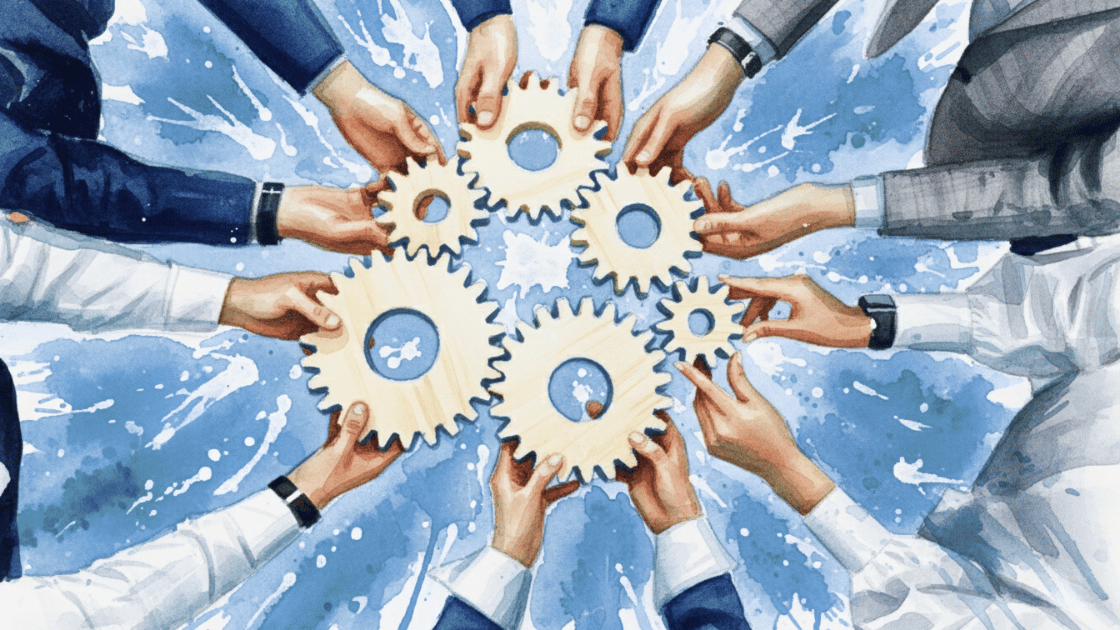
AI is flattening hierarchies and blending roles faster than workforce strategies can adapt. The solution isn't more I-shaped specialists but T-shaped and E-shaped professionals who combine deep expertise with cross-functional collaboration to bridge silos and turn ideas into execution.
#ai-readiness
#ai-ready roles
#adaptive strategy
Continue Reading
by
Changentum
on
Stop Automating Chaos
While 57% of leaders believe they're AI-ready, only 8.6% actually are. Automating chaotic processes on dirty data creates inaccurate insights and compliance risks. Decluttering business operations before AI implementation is the prerequisite most organisations skip.
CMOs are losing strategic relevance as customer ownership fragments across expanding C-suites, leaving 2.3x growth on the table. AI-powered consolidation offers a path to reclaim influence by unifying the entire customer journey under one accountable leader.
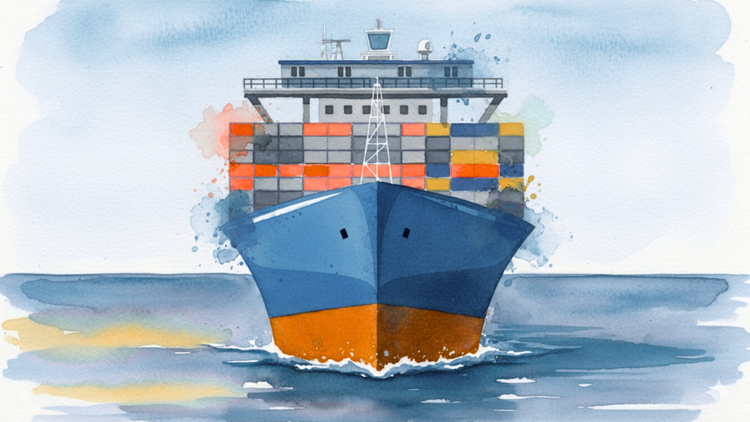
KI zwischen Anspruch und Realität: Schattennutzung, ungenutztes Wissen, neue Jobprofile, Logistikprobleme und Termiten-Organisation im Überblick.
#KI-bereit
#ki-revolution
#KI-nutzung
Continue Reading
by
Changentum
on
The Termite Cathedral
Termites build complex structures without managers through "stigmergic coordination", where the work itself becomes the instruction manual. AI now makes this self-organizing principle practical for business operations.
#self-organising
#stigmergic
#adaptive strategy
Continue Reading
by
Changentum
on
Why most logistics AI projects fail before they start
Logistics AI projects fail because companies try to overlay intelligent technology onto unintelligent organisational design, the winners create cohesive systems that eliminate handoffs rather than automate them.
#logistics
#ai-strategy
#transformation strategy
Continue Reading
by
Changentum
on
Yes, AI is coming for your job. Just not in the way you think.
AI isn't eliminating jobs, it's dissolving functional boundaries, creating multidisciplinary roles like Go-To-Market Engineer where AI-augmented professionals manage entire value streams that previously required multiple departments.
#ai-readiness
#ai-ready roles
#ai-strategy
Continue Reading
by
Changentum
on
Is Knowledge Still the Most Undervalued Asset on Your Balance Sheet?
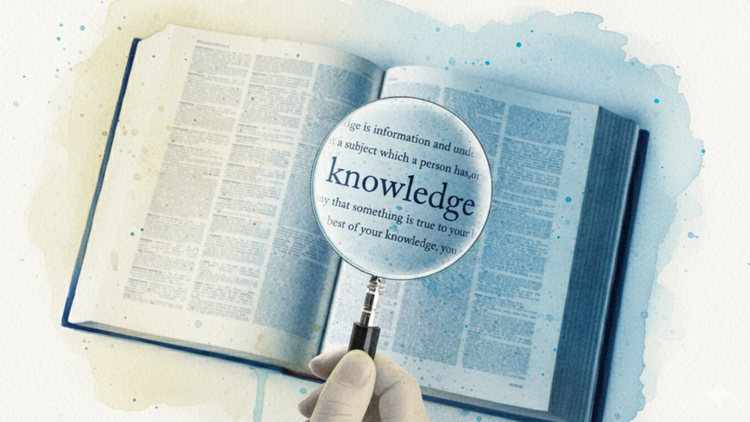
While most organizations treat knowledge as deadweight in storage servers, competitive companies are using AI to transform their intellectual assets into active participants in work—delivering $27M+ productivity gains per 100 employees.
Selbst etablierte Konzerne lösen jahrzehntealte Hierarchien auf und schaffen cluster-basierte Organisationen, in denen KI-gestützte Generalisten vollständige Prozessverantwortung übernehmen – das fordert traditionelles Change-Management aus.
#Deutsch
#Wochenrückblick
#change management
Continue Reading
by
Changentum
on
Is the AI Job-Takeover Inevitable?
The AI job-takeover isn't inevitable, the job evolution is, but only for those who stop protecting routine tasks and start expanding into strategic work that becomes possible when AI handles everything else.
#adaptive strategy
#ai-ready roles
#new roles
Continue Reading
by
Changentum
on
The Quiet Reorg Revolution
Established corporations are converging on cluster-based organisations where AI-augmented professionals own complete value streams, making traditional hierarchies obsolete.
GTM Engineers blend sales, marketing, and tech into a single AI-powered role. See why growth-stage companies are betting on generalists who own outcomes.
#GTM
#GTM Engineer
#role merger
Continue Reading
by
Changentum
on
The Paradox of Success
When excellence creates fragility, leaders must adapt. Discover how forward-looking companies build antifragile, AI-ready structures to survive disruption.
#antifragile
#Buffer
#Airtable
Continue Reading
by
Changentum
on
A New Take on Change Management
Can change management keep up in the AI era? It’s time to rethink organisational transformation, and what it means for leaders.